

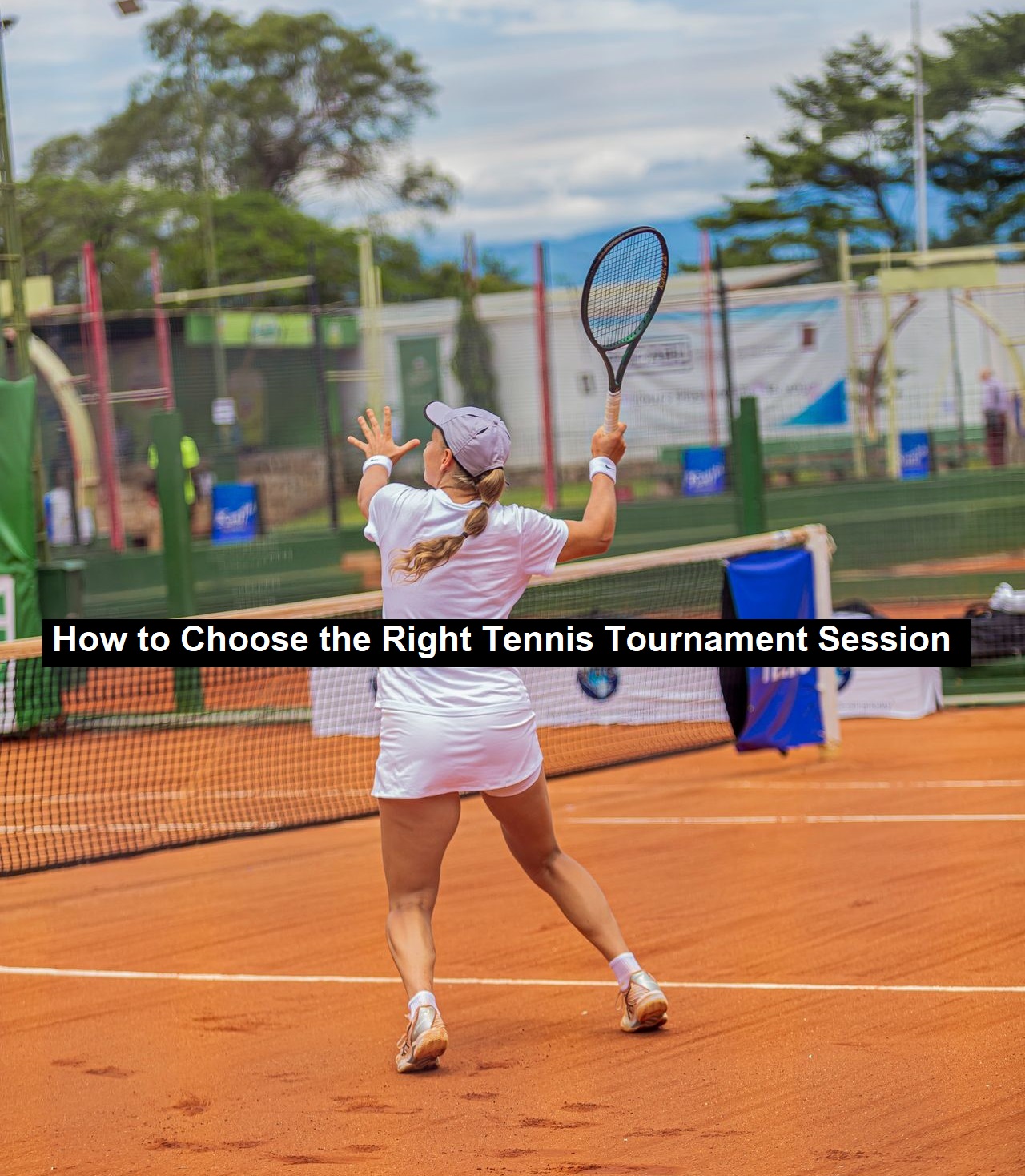
A tennis ticket buys more than a seat. It might mean an afternoon roaming between outside courts, an evening under the lights, or a reserved place for a final. The best choice depends on what you want to see.
Decide whether you want variety or a particular match
Early rounds are ideal if you like discovering players. Many matches take place across multiple courts, and a grounds ticket may let you move between them. You can watch an emerging player, catch a doubles match, and still find time for a singles contest. Later rounds offer higher stakes and fewer matches. A semifinal or final can be memorable, but it gives you less freedom to sample the tournament.
If you have one player in mind, be careful about buying too far ahead. A player can lose before your chosen day, and even if they advance, the tournament may assign them to a different session or court. Check the event’s draw and order of play as they become available. Treat a ticket purchased before the schedule is published as a bet on the overall experience, rather than a guarantee of seeing a specific player.
Read the access rules, not just the seat number
Tennis tickets vary considerably. At the US Open, for example, an Arthur Ashe Stadium ticket includes a reserved seat there and access to other courts, while a grounds admission ticket does not admit you to Ashe. Other events use different combinations of reserved show courts, general admission areas, and session times. Before paying, verify exactly which courts you can enter, whether a seat is assigned, and when your session begins and ends.
This matters especially if you’re choosing between a cheaper grounds pass and a stadium seat. A grounds pass can be the better day out for someone who enjoys moving around. A reserved seat is worth more if your priority is a particular court or you want a reliable place to settle in.
Read: The Evolution of Cricket: How T20 Has Changed the Game
Think about the view from a tennis fan’s perspective
The closest seat is not automatically the best. A position near the baseline makes it easier to follow depth, spin, and how players construct a point. Higher seats around the middle of the court can give you a clearer view of both players’ positioning. Seats very low at one end can feel thrilling, but the far baseline may be harder to read.
For an outdoor court, consider the sun as well as the sightline. Shade can make a long session much more comfortable, and it may shift as the day goes on. Look at the venue’s seating map and recent spectator photos before choosing a section.
Budget for the full day
Compare the total price you will pay, including any fees, with the cost of getting to the venue, parking, food, and a possible overnight stay. If your date is flexible, compare several sessions rather than assuming the first one you find is the best value. You can browse tennis tickets across events and dates on The King of Tickets; it is an independent resale marketplace, so listing prices can be above or below face value.
Finally, check the event’s weather, bag, transfer, and re-entry policies before you leave. Outdoor tennis schedules can change, and the ticket seller’s guarantee is not the same thing as the tournament’s rain policy. A few minutes spent reading the terms can save a frustrating trip—and leave you free to enjoy the tennis once play begins.